Japanese Kanji Handwriting Practice ⑤: Mastering Stroke Order for Effective Learning
For adults looking to improve their Japanese kanji writing skills, Japanese Kanji Handwriting Practice ⑤ offers a focused and structured approach. This resource is specifically designed to help learners refine their stroke order, an essential component of correct kanji formation. Whether you're studying for exams, working in a Japanese-speaking environment, or simply interested in the language, this practice sheet provides a valuable tool for consistent progress.
Understanding the Importance of Stroke Order
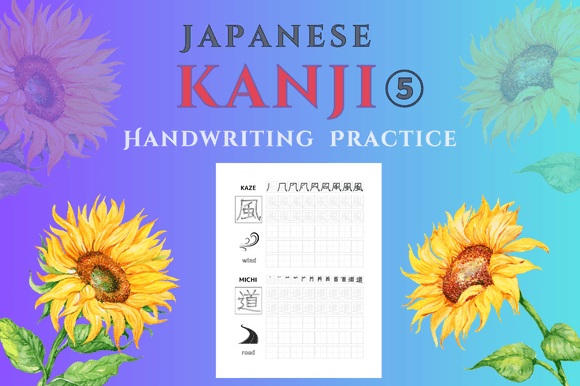
One of the most common challenges faced by adult learners is mastering the correct stroke order when writing kanji. Without proper technique, your characters may appear messy or even incorrect. Japanese Kanji Handwriting Practice ⑤ addresses this issue directly by providing clear guidance on how each character should be formed. Each page includes a visual representation of the kanji along with the correct sequence of strokes, helping users build muscle memory and confidence.
Stroke order isn't just about aesthetics—it's also about efficiency and readability. When you follow the correct stroke order, you can write more smoothly and avoid unnecessary corrections. For professionals who need to communicate effectively in Japanese, this level of precision can make a significant difference in both written and spoken fluency.
How Japanese Kanji Handwriting Practice ⑤ Helps You Improve
Japanese Kanji Handwriting Practice ⑤ is ideal for individuals who want to develop a consistent practice routine. The digital format allows for easy download and printing, making it accessible for daily use. With dimensions of 8.5×11 inches, the pages are designed for comfortable handwriting without feeling cramped or too large.
This resource is particularly useful for those who have already learned the basics of kanji but need to refine their writing technique. It serves as a practical supplement to classroom learning, self-study, or language apps. By focusing on stroke order, it helps learners avoid bad habits that can be difficult to correct later on.
Practical Applications and Outcomes
Adults who regularly use Japanese Kanji Handwriting Practice ⑤ often report improved accuracy and speed in their writing. This is especially beneficial for those preparing for language proficiency tests such as the Japanese Language Proficiency Test (JLPT) or for professionals who need to produce documents in Japanese. Consistent practice can also enhance cognitive benefits, such as better memory retention and mental focus.
For example, a business professional might use the practice sheets to reinforce their ability to write important terms related to their field. A student could use them to review kanji from their textbooks. Regardless of the context, the structured nature of Japanese Kanji Handwriting Practice ⑤ ensures that each session is productive and purposeful.
Customizing Your Learning Experience
Every learner has unique goals and preferences when it comes to practicing kanji. Some may prefer to focus on one character per day, while others might tackle multiple at once. Japanese Kanji Handwriting Practice ⑤ is flexible enough to accommodate different learning styles. You can choose to practice under time constraints to simulate real-world conditions or take your time to ensure perfect form.
Additionally, combining this resource with other tools—such as flashcards, mobile apps, or online tutorials—can create a well-rounded learning experience. For instance, using the practice sheets after reviewing a kanji on a language app can reinforce what you've learned and help solidify your understanding.
Recommendations for Effective Use
To get the most out of Japanese Kanji Handwriting Practice ⑤, consider implementing a few best practices. First, set aside dedicated time each day for practice, even if it's just 10–15 minutes. Consistency is key to developing strong writing habits. Second, use a pen or pencil that feels comfortable in your hand, as this can influence your control and precision.
Another helpful tip is to trace the kanji first before attempting to write it independently. This reinforces the correct stroke order and builds confidence. You can also record yourself writing the characters and review the footage to identify areas for improvement. Finally, don’t hesitate to revisit previous exercises to maintain your skills over time.
Conclusion
Japanese Kanji Handwriting Practice ⑤ is more than just a printable worksheet—it's a valuable tool for anyone serious about improving their Japanese writing skills. By focusing on stroke order and offering a user-friendly format, it supports a wide range of learning needs and goals. Whether you're a beginner or an advanced learner, this resource can help you achieve greater accuracy, confidence, and fluency in your kanji writing.
With its convenient digital format and clear design, Japanese Kanji Handwriting Practice ⑤ makes it easy to integrate into your daily routine. Start today and take the next step toward mastering the art of kanji writing with confidence and clarity.