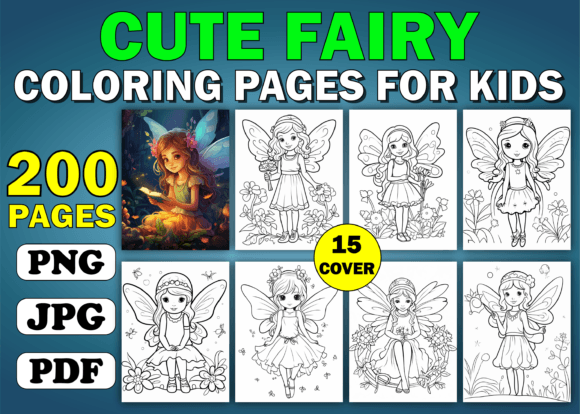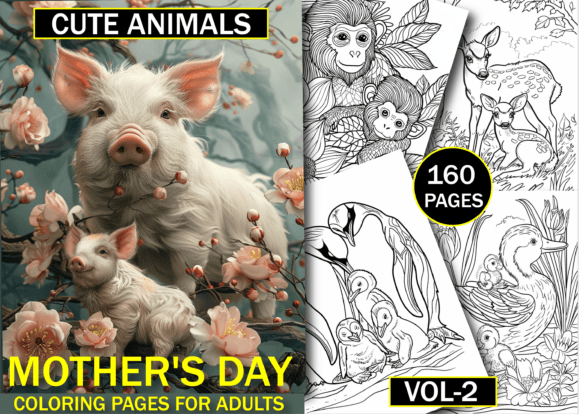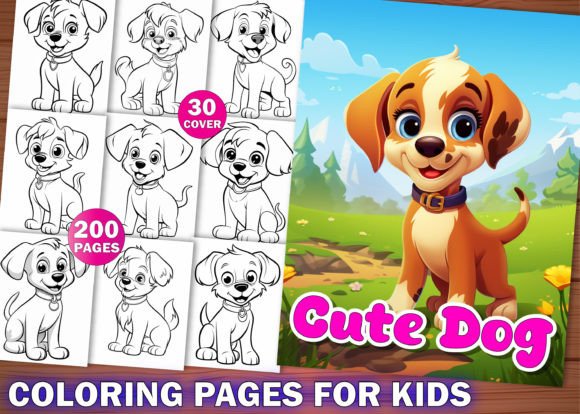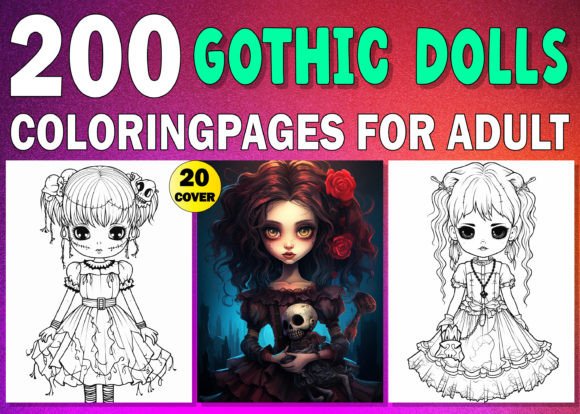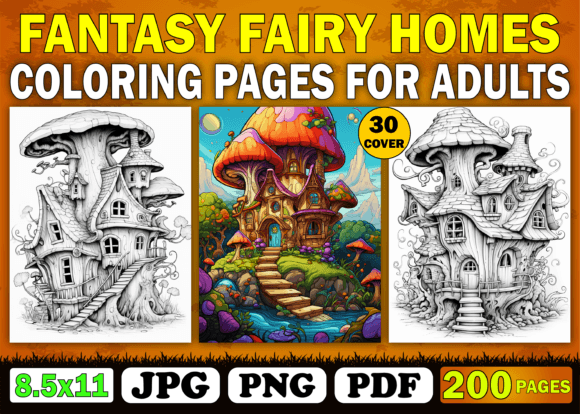
200 Fantasy Fairy Homes Coloring Pages
Coloring isn’t just a nostalgic pastime—it’s a functional tool for focus, stress regulation, and creative recalibration. For adults managing complex workflows—whether launching a product, designing a brand identity, teaching visual literacy, or building a content library—the 200 Fantasy Fairy Homes Coloring Pages serve as both a restorative pause and a precision resource. Unlike generic coloring books, this collection is structured around a cohesive, high-fidelity visual language: whimsical, intricate, and deeply intentional. You receive a single .zip file containing 200 original illustrations in JPG, PNG, and PDF formats—all at 300 DPI—ensuring clarity whether you’re printing for hand-coloring, importing into digital art software, or repurposing assets for client-facing materials.
Where It Fits in Your Real-World Workflow
This set doesn’t sit on a shelf waiting for “free time.” It integrates directly into planning, execution, and reflection phases across multiple domains. A graphic designer might use one of the mushroom cottage pages as a tactile warm-up before refining a logo palette—testing color harmonies physically before committing to digital swatches. An educator preparing a unit on folklore or environmental storytelling could print select fairy homes to spark descriptive writing prompts or spatial reasoning exercises. A small business owner building a wellness brand may scan and adapt a tree-canopy dwelling into a custom social media banner—its organic lines and layered details translating seamlessly into calming, on-brand visuals.
The key is intentionality: these aren’t passive decorations. Each illustration carries compositional logic—balanced negative space, rhythmic line weight, repeatable motifs (vines, cobblestone textures, arched doorways)—that supports consistent output when reused or adapted. That makes them especially valuable for creators who need visual continuity across deliverables but lack time for custom illustration from scratch.
Compatibility and Practical Integration
All 200 designs are delivered in three formats for maximum flexibility:
- JPG: Optimized for quick import into Canva, PowerPoint, or Adobe Express—ideal for rapid mockups, workshop handouts, or slide-based presentations.
- PNG: Transparent background support enables layering over photos, textures, or gradients without manual clipping—useful for marketers building themed email headers or bloggers designing Pinterest pins.
- PDF: Print-ready with embedded crop marks and CMYK-safe profiles. Designed for home printers or professional print shops—no scaling or alignment issues.
Because each file is vector-agnostic (raster-based but high-res), they avoid common compatibility pitfalls. No font dependencies. No missing layers. No licensing ambiguity—these are your assets, usable commercially or personally, without attribution required. That removes friction during production handoffs: a freelancer can send a colored version to a client alongside the original line art, and an educator can distribute printed copies to students without copyright review delays.
Using Volume – 3 Strategically
The 200 Fantasy Fairy Homes Coloring Pages for Adults Volume – 3 builds on prior volumes with tighter thematic cohesion—specifically emphasizing dwellings that interact meaningfully with environment: homes grown into cliffsides, bridges woven from living willow, libraries suspended between clouds. This volume functions best when treated as a *reference system*, not just a coloring book.
For example, a writer outlining a fantasy novel can assign specific homes to characters based on architectural cues—a spiral tower for a reclusive scholar, a root-cradled burrow for a healer grounded in earth magic. A UX researcher prototyping a nature-themed app interface might extract window shapes, path layouts, or lighting patterns from these pages to inform icon design or navigation flow. The consistency in scale and perspective across all 200 images means visual elements remain interoperable—no jarring mismatches when combining assets from different pages.
Preparation and Organization for Long-Term Use
Before diving in, spend 10 minutes organizing the files. Create three folders: Print_Ready (PDFs), Digital_Adapt (PNGs), and Quick_Reference (JPG thumbnails named by theme: “Mushroom_Cottage_07”, “Cloud_Library_12”). This simple step cuts search time by 70% during active projects. If you’re using digital tools like Procreate or Affinity Designer, batch-import the PNGs and apply a uniform layer naming convention—e.g., “Base_Line”, “Shading_Mask”, “Texture_Overlay”. That preserves editing flexibility later without rebuilding structure.
For physical use, test paper compatibility first. While the designs are optimized for 300 DPI, actual print quality depends on your printer’s calibration and paper stock. Run a single test page on standard 120 gsm copy paper, then upgrade to 160+ gsm matte cardstock only if markers or heavy blending are part of your process. High-quality paper matters most when layering mediums—colored pencils over gel pen highlights, for instance—but many users find smooth 100 lb text weight sufficient for precise detail work with fine-tip pens.
A Freelance Illustrator Prepping for a Client Pitch
Instead of sketching abstract concepts, the illustrator selects three fairy homes from Volume – 3 that match the client’s brand voice—e.g., a moss-covered stone cottage for an eco-lifestyle brand. They color each digitally using the client’s approved palette, then export as layered PSDs. These become live mockups showing how the brand’s colors translate into immersive environments—not just flat logos.
An Online Educator Building a Self-Paced Course
The educator prints 10 fairy homes as black-and-white worksheets. Students color them while listening to guided meditations about place-based imagination. Later, those same pages become templates for digital journaling—students annotate windows with metaphors, label paths with personal goals, or add speech bubbles to inhabitants. The physical-to-digital bridge reinforces retention without requiring new software training.
A Small Publisher Developing a Themed Stationery Line
The publisher extracts repeating motifs—door knockers, leaf borders, roof shingles—and converts them into SVG files using vector tracing tools. These become scalable elements for greeting cards, washi tape designs, and notebook covers. Because all 200 originals share consistent line weight and spacing, the resulting patterns tile cleanly and maintain visual harmony across product SKUs.
Quality Control and Consistency Checks
When repurposing these assets, verify two things before finalizing: first, whether contrast remains legible after resizing—especially for small-format uses like stickers or app icons. Second, whether color choices in your adaptation preserve the original’s sense of depth. Fairy homes rely on implied light sources; flattening shadows or over-saturating hues can unintentionally break spatial logic. A quick grayscale preview often reveals contrast imbalances faster than eyeing full color.
Long-term, treat the collection as a living reference—not a static download. Tag files with metadata (keywords like “arched_doorway”, “vertical_garden”, “floating_stone”) in your DAM or folder system. As your needs evolve—say, shifting from editorial illustration to packaging design—you’ll be able to retrieve precisely what supports your current constraints, not just what’s easiest to find.
Final Implementation Tip
Start small. Pick one fairy home. Color it fully—by hand or digitally. Then, ask: What part of this image could I reuse tomorrow? A window frame as a social media post border? A winding path as a timeline graphic? A cluster of roof tiles as a texture overlay? That single-use insight becomes your anchor point for broader integration. The 200 Fantasy Fairy Homes Coloring Pages don’t require overhaul to deliver value. They reward observation, repetition, and deliberate reuse—exactly how skilled professionals build sustainable creative systems.